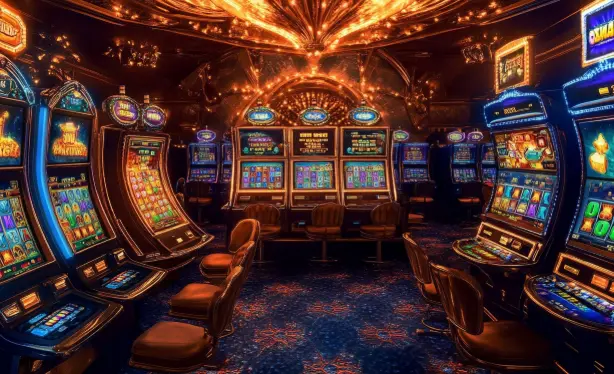
Azerbaijan Casino Room: Are Casinos Legal?
Legal gambling in Azerbaijan exists inside a razor-thin regulatory corridor, and anyone who tells you the Azerbaijan casino room scene is a free-for-all has never read the actual licensing framework. The country runs a strict dual-track system: land-based casinos are confined to a single designated zone, while online operations require a domestic license that very few operators ever secure. Get this wrong and you are not just gambling — you are exposed to real legal liability. 🎰
The cornerstone is the 2016 presidential decree that reshaped the entire gambling landscape. It authorized a special tourism zone in the Absheron Peninsula where casino rooms can legally operate, and it banned all other land-based gambling houses across the country. That means the glamorous Baku casino floor you see advertised is not scattered across the capital — it is funneled into one tightly controlled geography. The regulator does not tolerate ambiguity here.

What the Law Actually Permits
Under the Law on Games of Chance, casino activity is lawful only with a valid license and only within the authorized entertainment zone. Operators must meet capital thresholds, pass background scrutiny, and submit to continuous oversight. A legal casino room in Azerbaijan is therefore a licensed, monitored, and heavily taxed enterprise — not a backroom operation. The licensing fee alone filters out all but the most serious institutional players.
Online gambling follows a separate track. The Ministry of Digital Development and Transport handles domain registration for licensed online operators, and unauthorized websites get blocked at the network level. This is why offshore platforms targeting Azerbaijani players are technically illegal, even when they accept local payment methods. The enforcement mechanism is domain blacklisting, and it is aggressive.
The Legal-illegal Line Players Cross
Here is where the industry gets spicy: individual players who use unlicensed offshore sites face far less enforcement heat than the operators themselves, but that does not make it legal. The law targets unlicensed operators, and the practical risk for a casual player is limited. Still, a licensed casino room is the only environment where your funds, disputes, and payouts sit inside a legal framework you can actually enforce. 🎲
The economics explain the design. Azerbaijan taxes licensed gambling heavily and routes revenue into social programs, which gives the state a direct incentive to protect the legal channel. Unlicensed casino activity drains that revenue and gets treated as a criminal matter. The result is a market where Azerbaijan casino room licensing is the dividing line between legitimate business and legal exposure.

Licensing Mechanics and Enforcement
The license is not permanent. Operators face periodic review, and violations trigger suspension or revocation without much ceremony. Surveillance requirements inside authorized casino rooms are extensive, and compliance audits are routine. If you are evaluating a venue, the presence of a visible license and regulated payment rails is your first and best signal. Anything else is noise.
For online play, verify that the operator holds a domestic authorization or operates under a recognized framework. Cross-border enforcement is messy, which is exactly why offshore sites survive, but a legal casino room in Azerbaijan will never hide its licensing status. Transparency is a regulatory obligation, not a courtesy. 🃏
One more technical point worth pinning down: the special zone framework creates a geographic monopoly by design, and that monopoly is the single structural fact that determines whether any given casino operation in the country is lawful. Everything downstream — taxation, player protection, dispute resolution — flows from that one boundary.